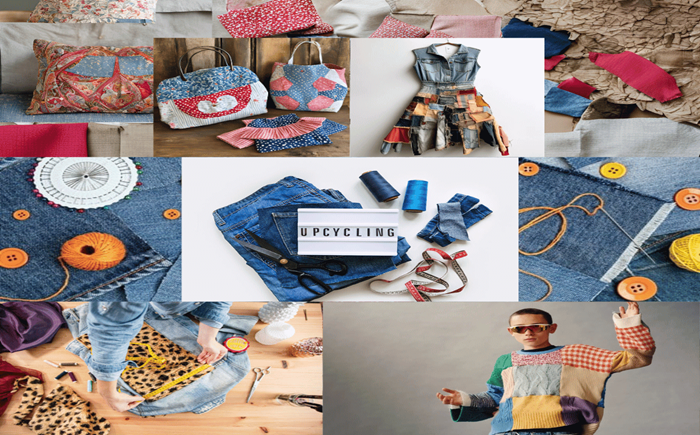
Upcycled Elegance: Sustainable Fashion Takes Center Stage
Gone are the days of disposable fashion. Consumers are increasingly conscious of the environmental toll of the clothing industry, and a shift towards sustainable practices is taking root. Upcycling, the art of transforming pre-loved or discarded garments into entirely new pieces, has emerged as a major trend at the forefront of this movement.
Upcycling offers a multitude of benefits. Firstly, it reduces textile waste. The fashion industry is a notorious polluter, generating mountains of textile waste annually. Upcycling diverts clothing from landfills, promoting a circular economy where garments are given a second life. Secondly, upcycled pieces are inherently unique. Unlike mass-produced fast-fashion items, each upcycled garment tells a story, reflecting the creativity and resourcefulness of its creator. This caters to a generation that values self-expression and individuality, allowing them to wear pieces that stand out from the crowd.
Social media platforms like Instagram and TikTok have become powerful tools for promoting upcycling. A thriving online community of influencers and designers share tutorials, inspiration, and stunning examples of upcycled fashion. These platforms empower individuals to explore their creativity and transform their wardrobes in a sustainable way. Aspiring fashionistas can learn how to transform a boring t-shirt into a trendy crop top, breathe new life into a pair of forgotten jeans, or create a statement piece from a collection of vintage scarves. Upcycling tutorials cater to all skill levels, fostering a sense of community and shared purpose amongst those passionate about sustainable fashion.
The fashion industry itself is recognizing the potential of upcycling. Luxury brands like Stella McCartney, a trailblazer in sustainable fashion, and Gabriela Hearst are incorporating upcycled materials into their collections. These high-profile endorsements elevate the perception of upcycled fashion and make it more accessible to a wider audience. Department stores and mainstream clothing brands are also starting to offer upcycled collections, integrating sustainable choices into their mainstream offerings. This mainstream adoption is crucial for the long-term viability of upcycling as a sustainable fashion practice.
However, challenges remain. Sourcing high-quality used clothing can be time-consuming, requiring dedicated time spent sifting through thrift stores and online marketplaces. Additionally, the upcycling process itself requires skill and creativity.
While tutorials abound, mastering the craft takes practice and dedication. Scaling upcycled production for larger audiences also presents challenges. Upcycling is inherently individual, and ensuring consistent quality and design across a large-scale production line can be difficult.
Looking ahead, innovation promises to address these challenges. Online marketplaces dedicated specifically to used clothing can streamline the sourcing process, making it easier for individuals to find the perfect piece to upcycle. Advancements in textile recycling technology are also crucial. Currently, textile recycling often results in downcycled materials of lower quality. New technologies offer the potential to create high-quality recycled fabrics that can be used to create upcycled garments on a larger scale. Educational programs can further empower consumers by equipping them with the skills to upcycle their own garments. Schools and community centers can offer workshops and classes, fostering creativity and encouraging participation in the sustainable fashion movement.
The rise of upcycling signifies a shift towards a more mindful and sustainable approach to fashion. It empowers individuals to express themselves creatively while minimizing their environmental impact. As the trend continues to evolve, we can expect to see even more innovative and stylish upcycled pieces, making sustainable fashion not just a necessity but a desirable choice. This exciting movement has the potential to redefine the fashion industry, paving the way for a future where style meets sustainability and conscious consumerism reigns supreme.
-- Thank You AN News --
 Anjali
1 Comments
Anjali 01 Jan 2045
Good and neat writing...
Leave a comment
Follow Us
Advertisement

Trending News


Newsletter
For Latest News Subscribe our Newletter