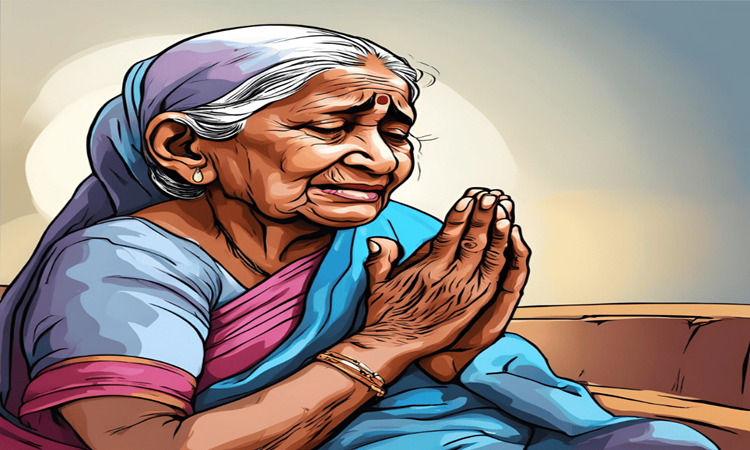
India Faces Escalating Mental Health Crisis post Pandemic Fallout
India is grappling with an escalating mental health crisis, exacerbated by the profound impact of the COVID-19 pandemic on the nation's population. As the pandemic stretches into its third year, experts warn of a looming mental health emergency characterized by rising rates of anxiety, depression, and other psychological disorders.
The pandemic has unleashed a perfect storm of stressors, including fears of infection, social isolation, economic uncertainty, and grief over loss of loved ones, all of which have taken a toll on the mental well-being of millions of Indians. Lockdowns and restrictions imposed to curb the spread of the virus have further exacerbated feelings of loneliness and despair, exacerbating existing mental health challenges and triggering new ones.
According to recent surveys and studies, there has been a significant surge in mental health issues across the country, with reports of anxiety and depression soaring to alarming levels. The burden of mental illness is particularly acute among vulnerable populations, including frontline healthcare workers, migrant workers, women, children, and the elderly, who face unique challenges and vulnerabilities.
Access to mental health services remains a major hurdle for many Indians, with limited availability of trained professionals, stigma surrounding mental illness, and structural barriers hindering access to care. The shortage of mental health professionals, particularly in rural areas, exacerbates disparities in access to treatment and support, leaving many individuals struggling to cope with their mental health concerns.
The Indian government has taken steps to address the growing mental health crisis, including launching helplines, online counselling services, and awareness campaigns to provide support and resources to those in need. The National Mental Health Program, initiated by the government, aims to promote mental health awareness, reduce stigma, and improve access to mental health services across the country.
However, experts caution that more needs to be done to effectively address the mental health needs of the population and prevent a further escalation of the crisis. Investments in mental health infrastructure, including the expansion of mental health services and the training of healthcare professionals, are urgently needed to bridge the gap between demand and supply.
Moreover, there is a pressing need to integrate mental health into primary healthcare systems and adopt a holistic approach to mental health promotion and prevention. This includes addressing social determinants of mental health, such as poverty, inequality, and social exclusion, and promoting resilience and coping strategies at the individual and community levels.
As India grapples with the long-term ramifications of the pandemic on mental health, concerted efforts are needed from policymakers, healthcare providers, civil society, and communities to prioritize mental health as an integral component of public health. By working together to destigmatize mental illness, expand access to care, and build a more supportive and inclusive society, India can begin to address the mental health crisis and pave the way for a healthier and more resilient future.
-- Thank You AN News --
 Anjali
1 Comments
Anjali 01 Jan 2045
Good and neat writing...
Leave a comment
Follow Us
Advertisement

Trending News



Newsletter
For Latest News Subscribe our Newletter