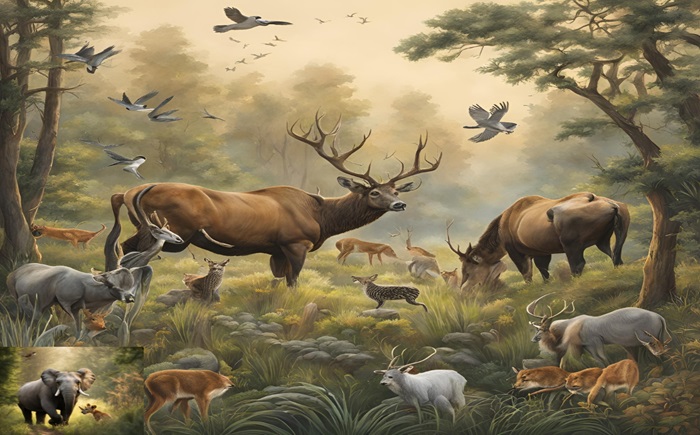
Coexisting with Wildlife: A Delicate Balance Amidst Nature’s Diversity
By Anjali P P - July 7, 2024
Accounting to the frequent deaths from animal attacks and rising anger over them, Kerala has become the first state in the country to declare man-animal conflict as a state-specific disaster. In the verdant landscapes of Kerala, where lush forests meet vibrant urban centres, a silent but significant conflict constantly brews between humans and wildlife. From the misty hills of Wayanad to the bustling shores of Kochi, Kerala’s rich biodiversity often collides with the expanding footprint of human habitation. Human-animal conflicts driven by habitat loss, agricultural expansion, and urban development, underscores the challenges of maintaining a delicate balance between conservation efforts and human livelihoods.
Wayanad: Elephants and Farmers Locked in a Battle of Survival
Nestled in the Western Ghats, Wayanad is renowned for its breathtaking scenery and rich wildlife. However, for the farmers who till its fertile soils, elephants pose a constant threat to their livelihoods. The region's dense forests and sprawling plantations provide critical habitat for elephants, but as human settlements expand, conflicts inevitably arise.
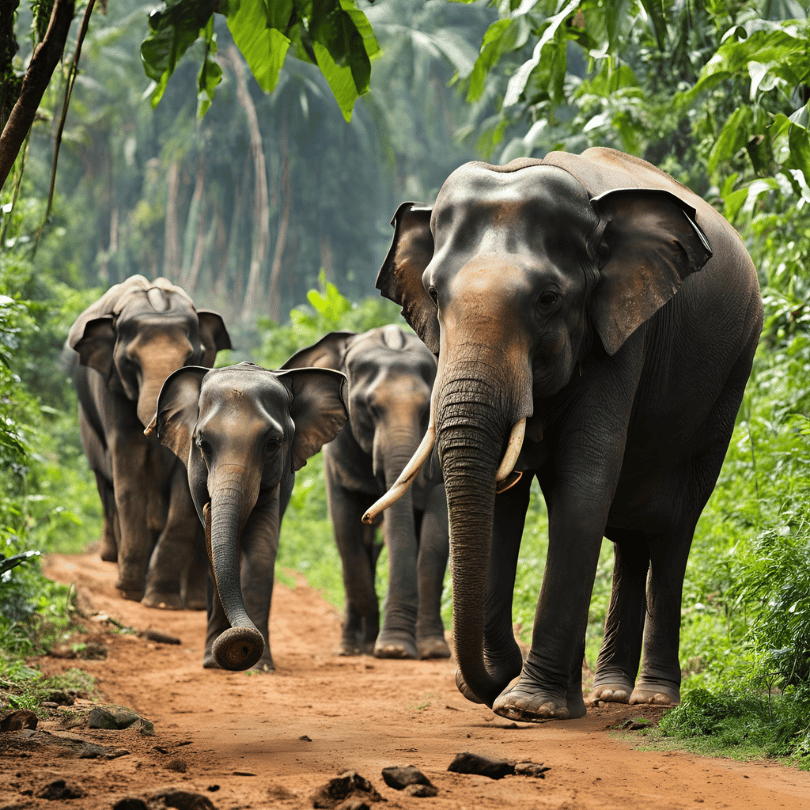
For Mr. Rajesh, a farmer in Sultan Bathery, the sight of elephants raiding his crops is a recurrent nightmare. "We wake up every day not knowing if our fields will be intact," he laments, pointing to trampled banana plants. Such encounters not only result in financial losses but also pose risks to human lives. Kerala Forest Department records show incidents of elephant attacks on humans have increased in recent years, highlighting the urgency of finding sustainable solutions.
Efforts to mitigate these conflicts include the installation of solar-powered electric fences and trenches around vulnerable farmlands. These measures, however, are not foolproof and can be expensive for farmers already grappling with unpredictable weather patterns and fluctuating market prices.
Conservationists advocate for wildlife corridors and buffer zones to allow elephants safe passage between habitats, reducing their need to venture into human-dominated areas in search of food. Community awareness programs also play a crucial role in fostering understanding and tolerance towards these majestic creatures.
Periyar Tiger Reserve: Predators in a Changing Landscape
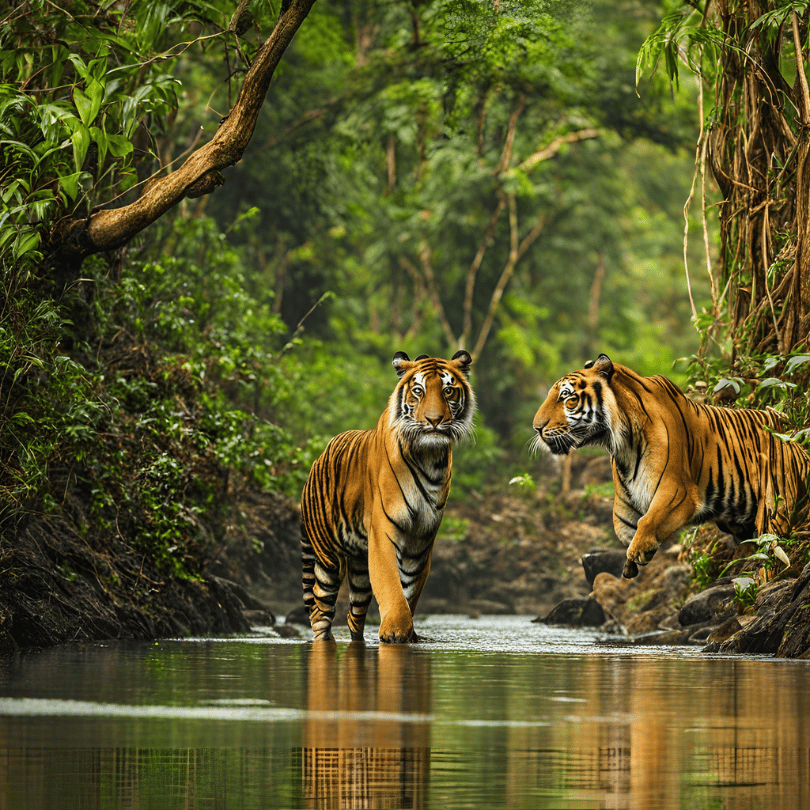
In the heart of the Western Ghats lies the Periyar Tiger Reserve, a haven for endangered species such as tigers and Nilgiri langurs. Here, the challenges of human-wildlife conflict take on a different dimension, with predators like leopards occasionally straying into nearby villages in search of easy prey.
Local resident Mrs. Latha recalls a recent incident where a leopard entered her backyard in Kumily. "It was terrifying," she admits, "but we understand these animals are just looking for food." Instances like these prompt concerns over safety, particularly for children and livestock, prompting calls for proactive measures to prevent such encounters.
Forest officials collaborate with local communities to promote responsible waste management and livestock protection measures. Improved lighting and fencing around vulnerable areas help reduce the likelihood of predators entering residential spaces, thereby mitigating potential conflicts.
Urban Encounters: Monkeys and Mangroves in Kochi
Kochi, Kerala’s bustling port city, presents a unique landscape where urban development intersects with mangrove ecosystems and pockets of greenery. Here, the ubiquitous presence of rhesus macaques has become a point of contention among residents and tourists alike.
Dr. Ravi, a veterinarian specializing in wildlife, explains, "The presence of monkeys in urban areas is often a result of habitat fragmentation and easy access to food sources such as waste bins and leftover food." These interactions can lead to conflicts when monkeys become aggressive or raid residential areas in search of sustenance.
Efforts to manage these conflicts include the deployment of trained monkey handlers to safely relocate problem animals back into their natural habitats. Community education programs emphasize the importance of not feeding wild animals and securing garbage bins to discourage foraging behaviour.
The Backwaters and Beyond: Struggles of Coastal Communities
Kerala’s tranquil backwaters and coastal regions harbour a diverse array of aquatic and terrestrial wildlife, including otters, birds, and occasional visitors like crocodiles. While these habitats are crucial for biodiversity, they also intersect with fishing communities whose livelihoods depend on the delicate balance of ecosystems.
Conservation efforts include monitoring crocodile populations and promoting safe fishing practices that minimize human-wildlife interactions. Community engagement initiatives encourage dialogue between conservationists and fishermen to ensure sustainable coexistence in these dynamic ecosystems.
Government Initiatives and Future Prospects
Across Kerala, government agencies, conservation organizations, and local communities are collaborating on innovative strategies to mitigate human-animal conflicts. These include the establishment of wildlife corridors, the implementation of early warning systems for vulnerable communities, and the promotion of eco-friendly practices that support both conservation goals and sustainable development.
Dr. Maya, a wildlife biologist involved in these efforts, emphasizes the importance of adaptive management strategies. "We must recognize that human-wildlife conflicts are dynamic and context-specific," she asserts. "Effective solutions require a blend of scientific research, community engagement, and policy support."
Looking ahead, the integration of technology, such as drone surveillance and GPS tracking, holds promise for enhancing monitoring and response capabilities in conflict-prone areas. Furthermore, continued investment in education and public awareness campaigns is crucial for fostering a culture of coexistence and environmental stewardship among Kerala’s diverse populace.
Co-existence: Need of the hour
In Kerala, the intertwining of human lives and wildlife habitats underscores the complex challenges of sustainable development in a biodiverse landscape. As communities navigate these challenges, the imperative to balance conservation priorities with human well-being remains paramount.
In the light of Kerala’s recent declaration of man-animal conflict as a state-specific disaster, it has become the need of the hour to understand what the decision means, and how it would change the way the government is addressing the issue. Through collaborative efforts and adaptive strategies, Kerala is poised to chart a course towards a future where humans and wildlife coexist harmoniously. In this journey, respect for nature’s intrinsic value and resilience will guide the path forward, ensuring Kerala’s natural heritage thrives for generations to come.
-- Thank You AN News --
 Anjali
1 Comments
Anjali 01 Jan 2045
Good and neat writing...
Leave a comment
Follow Us
Advertisement

Trending News



Newsletter
For Latest News Subscribe our Newletter